The Art of Crafting Paper Kitchen Towels
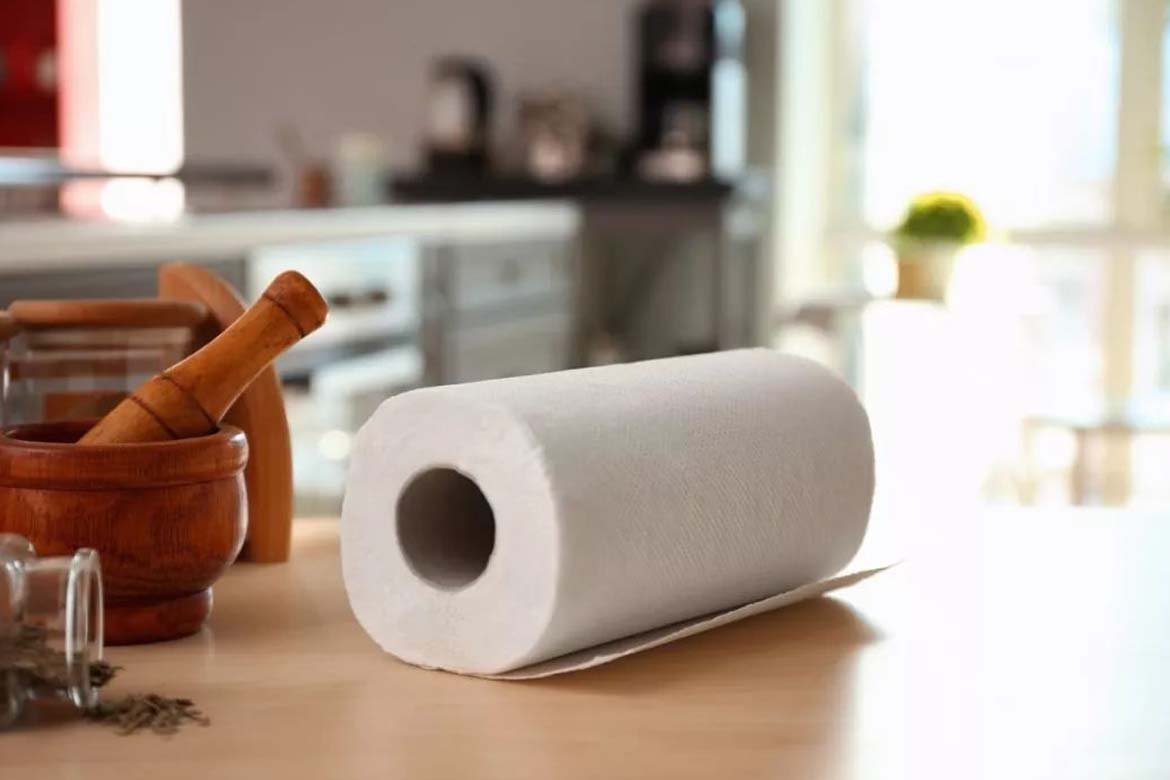
Imagine the journey from a majestic tree to a roll of absorbent paper kitchen towels. What’s the process like?
Pulp Creation The process begins with wood scraps that are combined with water and certain chemicals. These mixtures are then ‘cooked’ in a pulping machine, which removes the moisture from the wood, converting it into cellulose, or pulp.
Pulp Refinement At this phase, the pulp is quite sticky and requires thorough cleaning to eliminate any chemicals or impurities. It undergoes a whitening treatment as well. The pulp is then shaped into a sheet of cellulose using a paper machine, where excess water is drained. The sheet is compressed between large rollers and passed through a drying section in the paper mill to evaporate any remaining moisture. By this stage, the paper is almost completely dry.
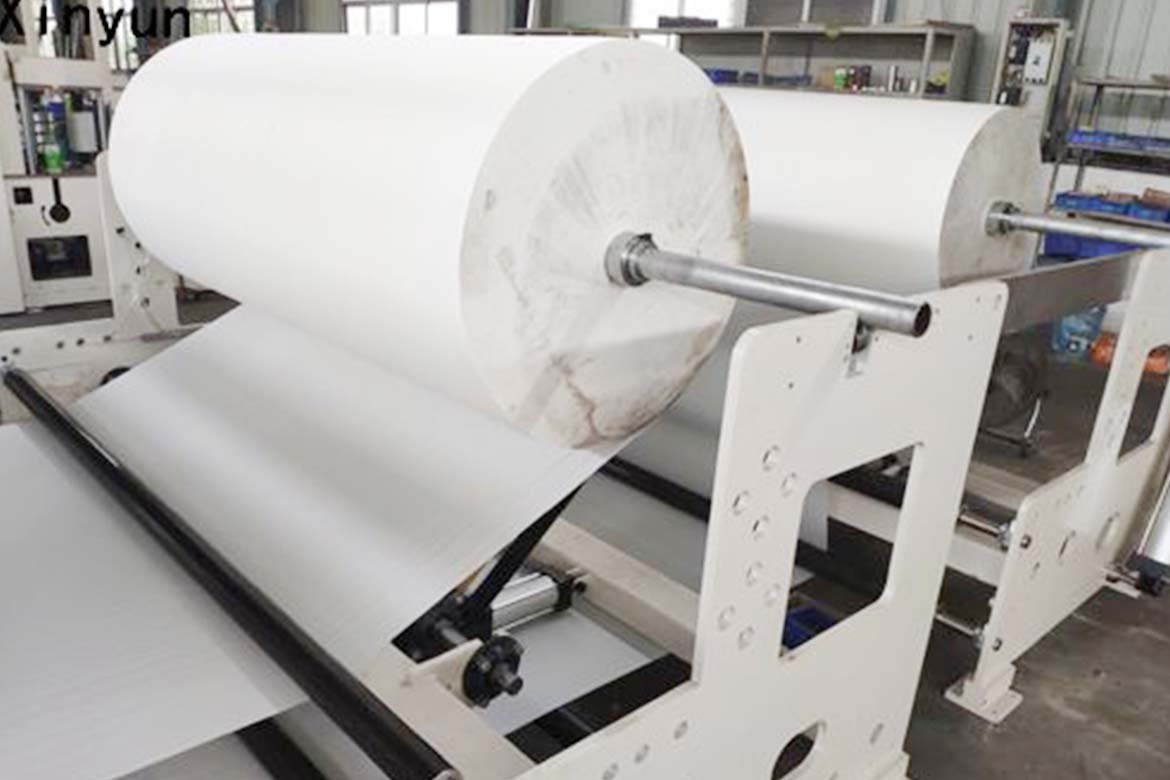
Subsequently, the dry, wide tissue paper is wound into a massive parent reel, ready for the next step.
- Shaping and Slicing The parent reels are then transformed into kitchen towels. The specific process varies based on the desired kitchen towel characteristics, such as ply count, paper quality, or embossing. These specifications determine the towel’s performance.
For instance, many kitchen towels are two-ply, meaning two tissue layers are bonded to create a single sheet. Others, like our eco-friendly option, are three-ply, offering increased absorbency with each additional layer.
To achieve the desired kitchen towel specifications, tissue from the parent reel is unwound and layered through a series of rollers. It’s then glued, embossed, and perforated using a special machine with comb-like blades. The blades press down on the towel, cutting the paper while leaving gaps between the teeth, which keeps the sheets connected.
The newly formed kitchen towel is wound onto a log core, the cardboard inner tube. Since this initial roll is quite long, it’s cut into standard-sized rolls using a log saw, with the ends neatly trimmed and sealed to prevent unraveling.
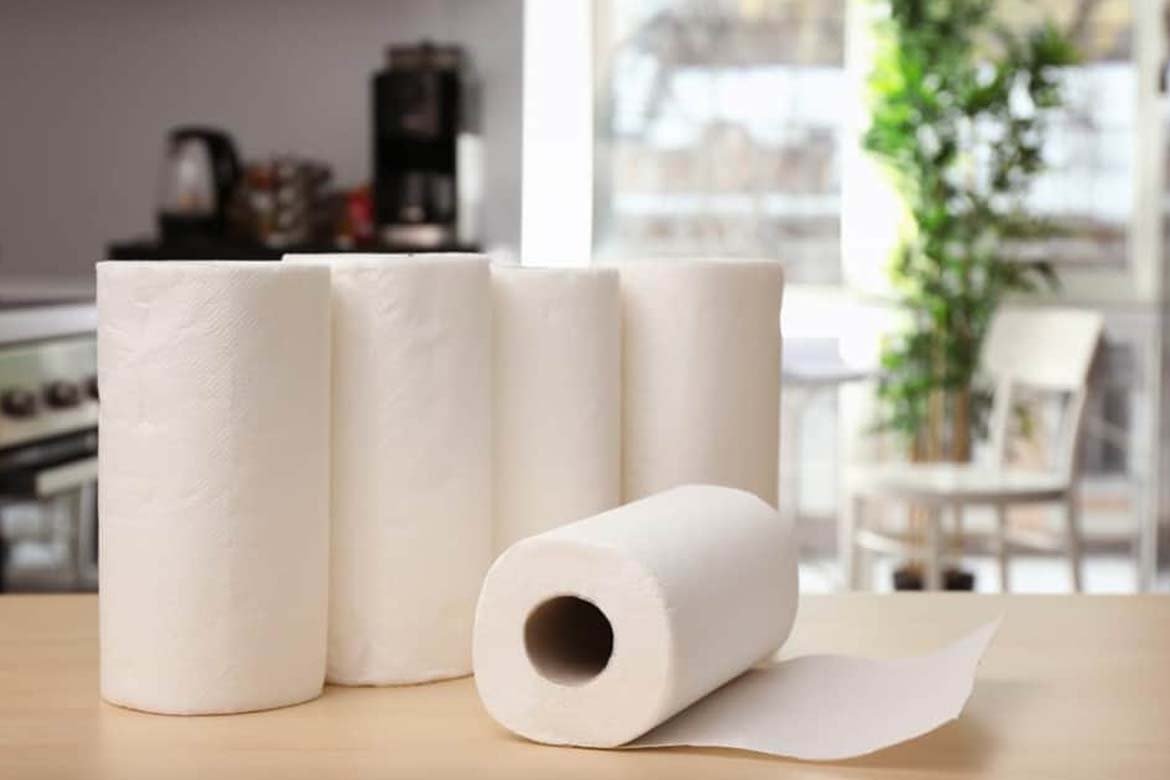
In the end, the rolls are packaged and stacked onto pallets, ready for shipment to homes and businesses alike.