How do the kitchen towels made?
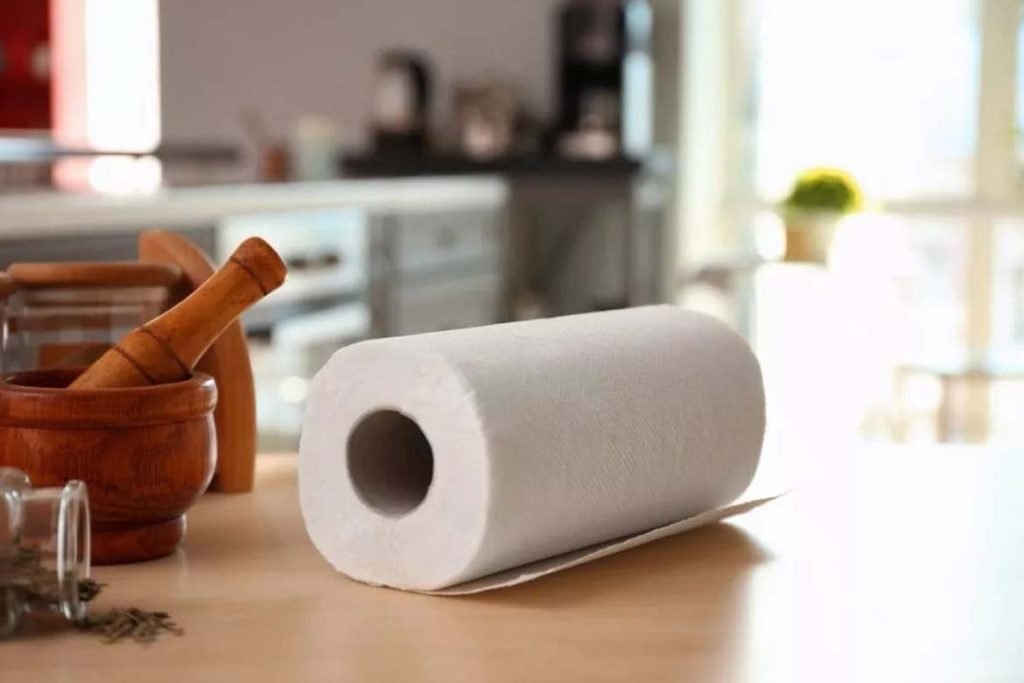
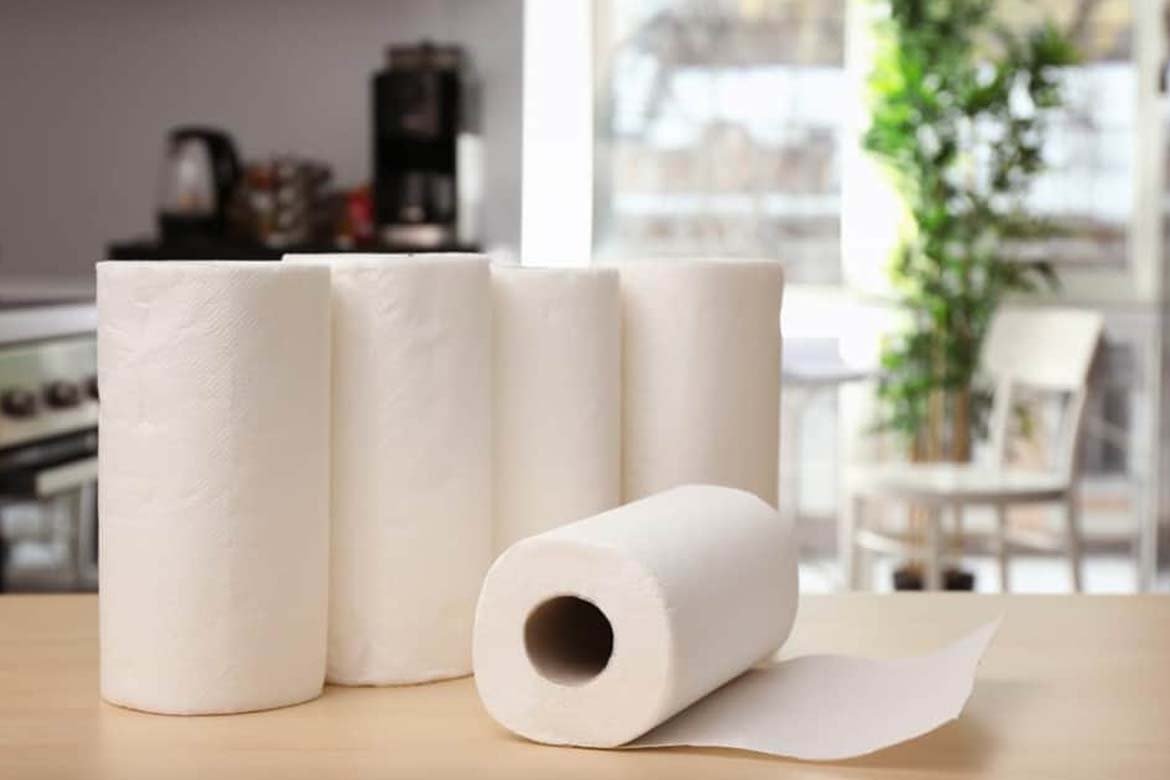
Kitchen paper towels, also known simply as paper towels or kitchen roll towels, are made through a process involving the following steps:
- Pulping: The manufacturing process begins with the creation of pulp. This can be done using wood chips, recycled paper, or a combination of both. The pulp is mixed with water to create a slurry.
- Forming: The pulp slurry is then spread thinly and evenly onto a moving mesh screen or conveyor belt. As the water drains away, the fibers begin to bond together to form a continuous sheet.
- Pressing: The newly formed paper sheet passes through rollers or presses to remove excess water and compress the fibers. This helps to increase the density and strength of the paper.
- Drying: The pressed paper sheet is then dried using a combination of heat and air. This can be done through a series of heated rollers or by passing the sheet through a large drying oven.
- Finishing: Once dried, the paper sheet may undergo additional processing steps depending on the desired characteristics of the final product. This can include embossing to create texture, applying additives for strength or absorbency, or perforating the sheet to create individual towels.
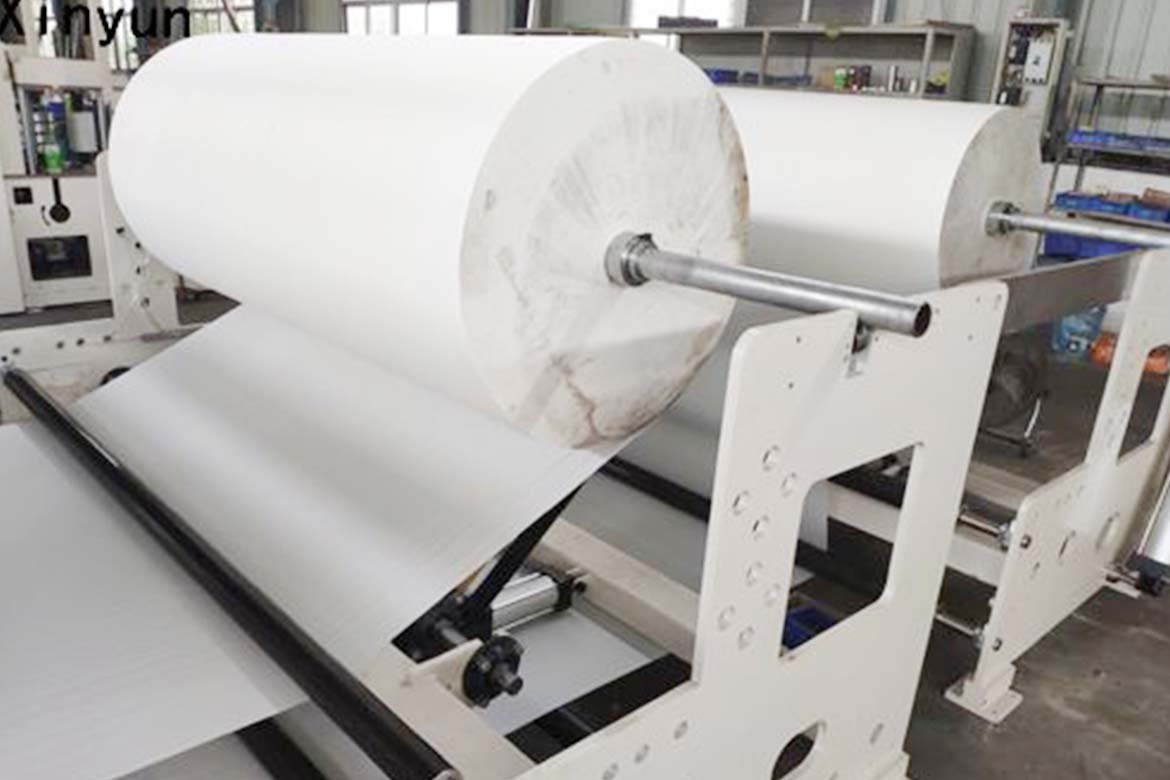
- Rolling and Cutting: The finished paper is rolled onto large spools, which are then cut into smaller rolls of the desired size. The rolls are typically wrapped in plastic or packaging material for distribution and sale.
The specific details of the manufacturing process may vary depending on factors such as the type of paper being produced, the equipment used, and any additional treatments or additives applied to the paper. However, the general steps outlined above provide an overview of how kitchen paper towels are typically made.